Whatsapp
A Shock Absorber plays a critical role in controlling motion, reducing vibration, and improving stability in vehicles and industrial machinery. Without a reliable shock absorber, even the most advanced mechanical systems would suffer from excessive wear, poor comfort, and safety risks. This comprehensive guide explores the working principles, types, advantages, disadvantages, applications, and selection criteria of shock absorbers, helping buyers and engineers make informed decisions. Yongkang Shangxia Industry And Trade Co., Ltd. has long specialized in producing high-quality shock absorbers designed for demanding environments.
This article provides a complete overview of shock absorbers, covering their definition, structure, working mechanism, major types, advantages and disadvantages, and practical applications. It also includes a detailed FAQ section and references to authoritative industry sources. Whether you are sourcing components for vehicles or industrial systems, this guide explains why shock absorbers are indispensable.
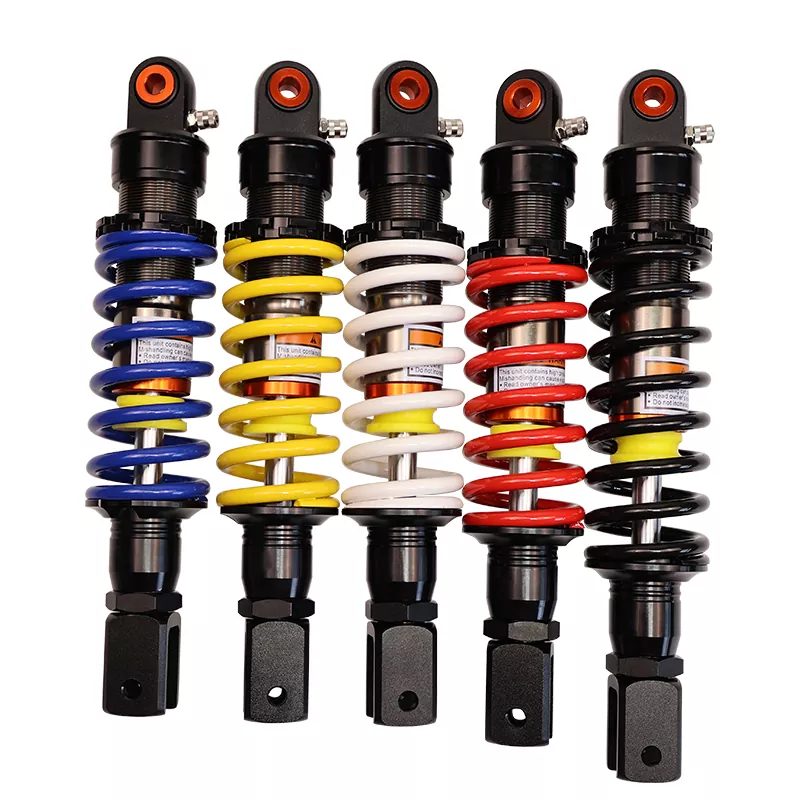
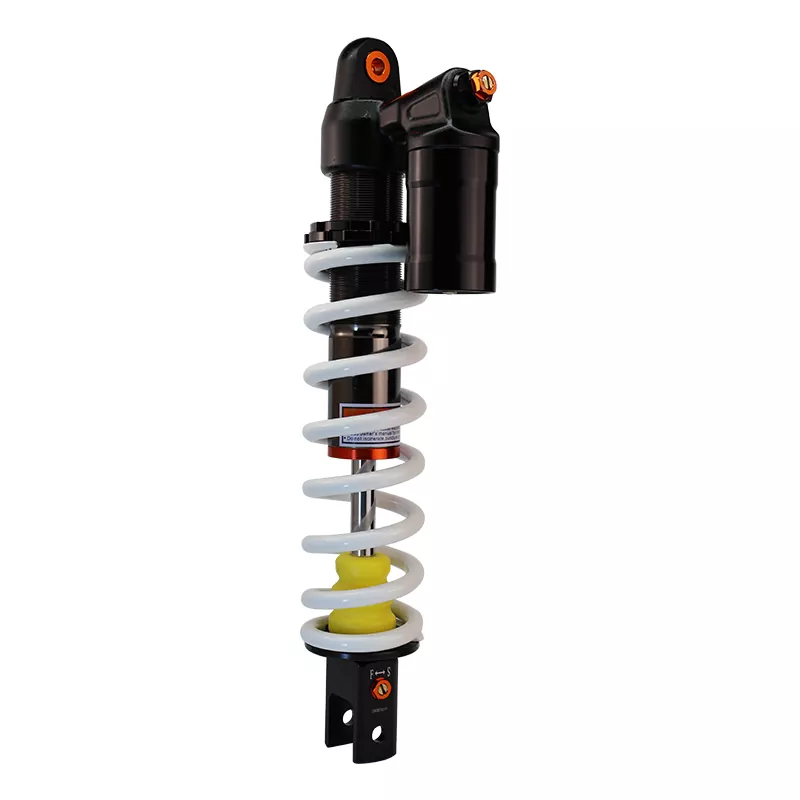
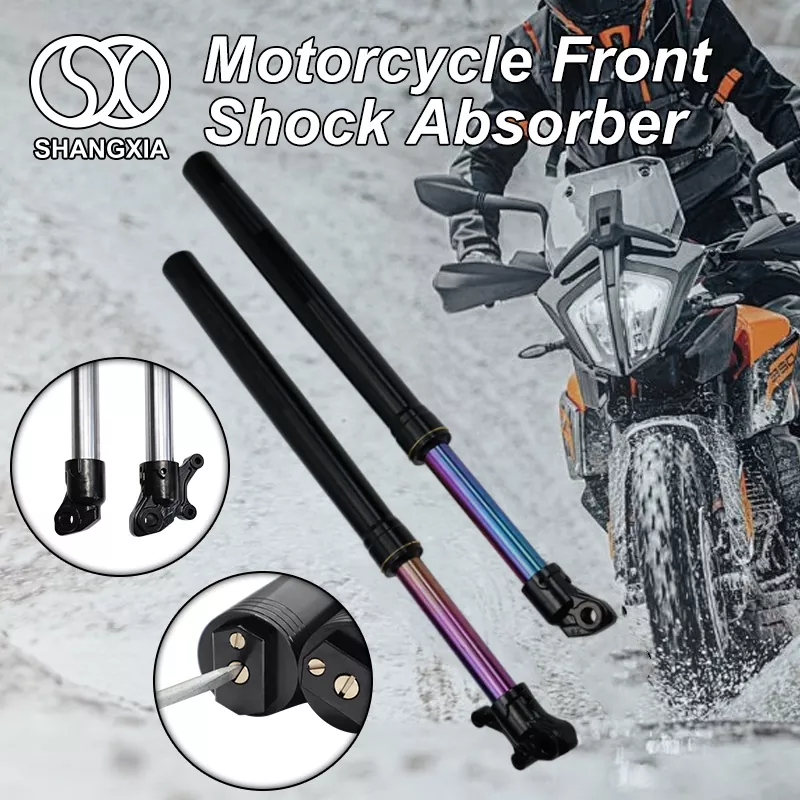
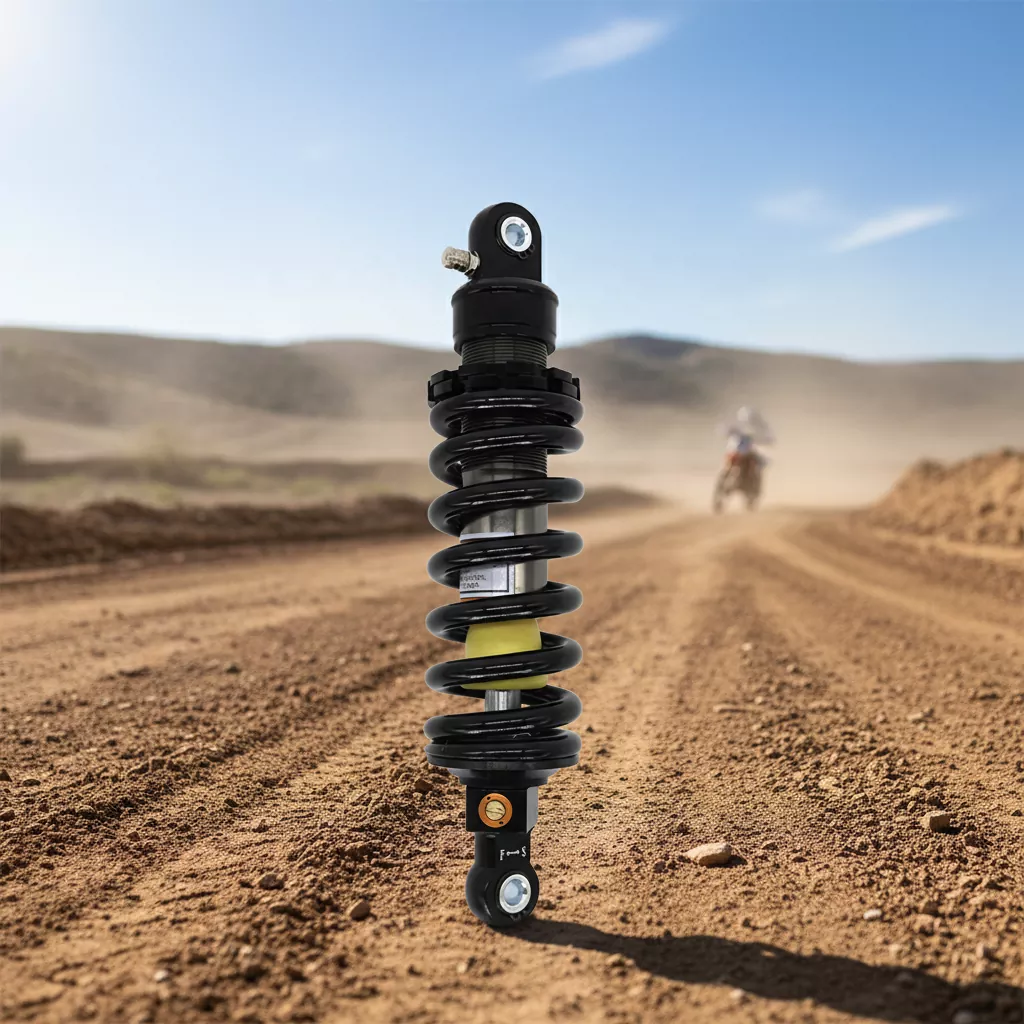
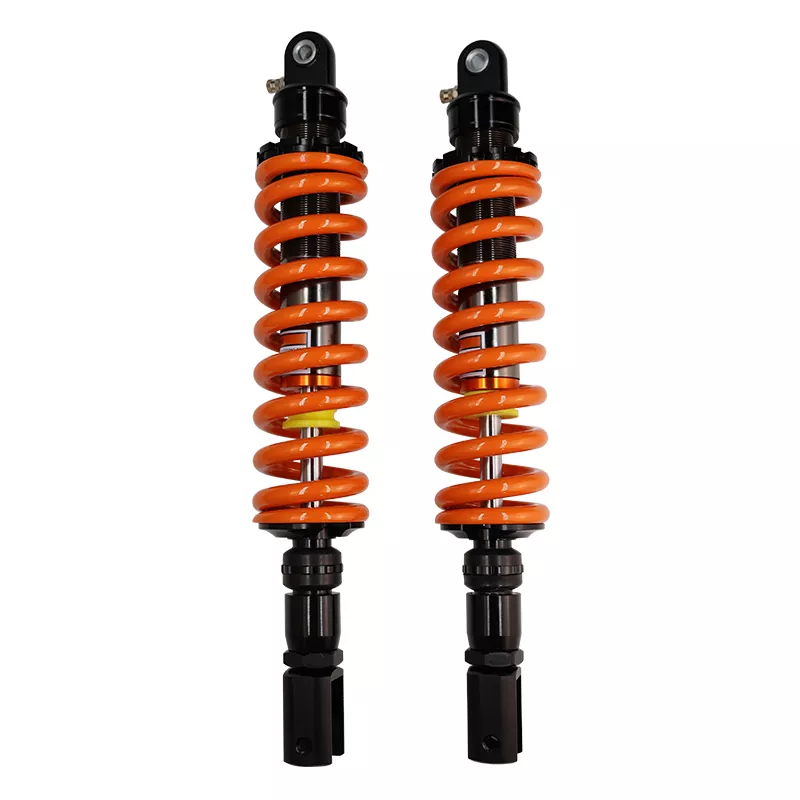
A shock absorber is a mechanical or hydraulic device designed to absorb and dampen shock impulses. It converts kinetic energy generated by motion or vibration into thermal energy, which is then dissipated. In vehicles, shock absorbers maintain tire contact with the road, while in industrial machinery, they protect equipment from impact damage.
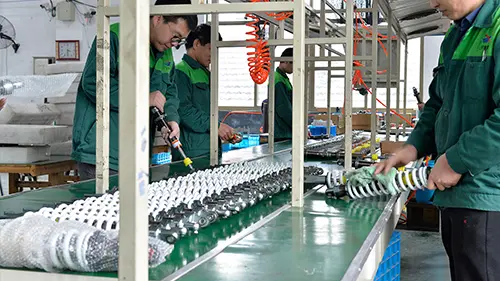
Manufacturers such as Yongkang Shangxia Industry And Trade Co., Ltd. focus on precision engineering to ensure consistent damping performance, extended service life, and stable operation under extreme conditions.
The working principle of a shock absorber is based on fluid resistance. When movement occurs, a piston forces hydraulic oil or gas through small valves, creating resistance that slows motion. This controlled resistance prevents excessive bouncing or vibration.
Industrial shock absorbers produced by Yongkang Shangxia Industry And Trade Co., Ltd. are engineered to handle repetitive loads without performance degradation.
| Type | Main Features | Typical Applications |
|---|---|---|
| Hydraulic Shock Absorber | Oil-based damping, reliable and cost-effective | Passenger vehicles, machinery |
| Gas Shock Absorber | Improved responsiveness, reduced foaming | Performance vehicles, heavy-duty equipment |
| Industrial Shock Absorber | High energy absorption, durable construction | Automation systems, conveyors |
Each type has unique characteristics, and selecting the correct one depends on load requirements, operating frequency, and environmental conditions.
Choosing products from experienced manufacturers like Yongkang Shangxia Industry And Trade Co., Ltd. helps minimize these disadvantages through quality materials and strict testing standards.
Across all these sectors, shock absorbers improve operational reliability and reduce downtime caused by mechanical stress.
When selecting a shock absorber, consider load capacity, stroke length, damping characteristics, and environmental conditions. Consulting professional manufacturers such as Yongkang Shangxia Industry And Trade Co., Ltd. ensures compatibility and long-term performance.
For additional guidance, see our internal resource: Shock Absorber Types Comparison.
Q: What is the primary function of a shock absorber?
A: A shock absorber controls vibration and impact by converting kinetic energy into heat, ensuring stability and safety in vehicles and machinery.
Q: How long does a shock absorber typically last?
A: Depending on usage and quality, a shock absorber can last between 50,000 to 100,000 kilometers in vehicles or several million cycles in industrial applications.
Q: What is the difference between hydraulic and gas shock absorbers?
A: Hydraulic shock absorbers rely on oil resistance, while gas shock absorbers use pressurized gas to improve responsiveness and reduce oil foaming.
Q: Can industrial shock absorbers be customized?
A: Yes, many manufacturers, including Yongkang Shangxia Industry And Trade Co., Ltd., offer customized solutions based on load, speed, and installation requirements.
Q: Why is proper shock absorber selection important?
A: Incorrect selection can lead to premature failure, reduced damping performance, and increased maintenance costs.
Online Service
Online Service