Whatsapp
The E-Bike Single Adjustable Inverted Front Fork has rapidly become a core performance component for modern electric bicycles, especially in off-road, trekking, and high-speed urban riding scenarios. As e-bike power outputs increase and riding environments become more demanding, riders and manufacturers are re-evaluating how front suspension design affects stability, safety, and comfort.
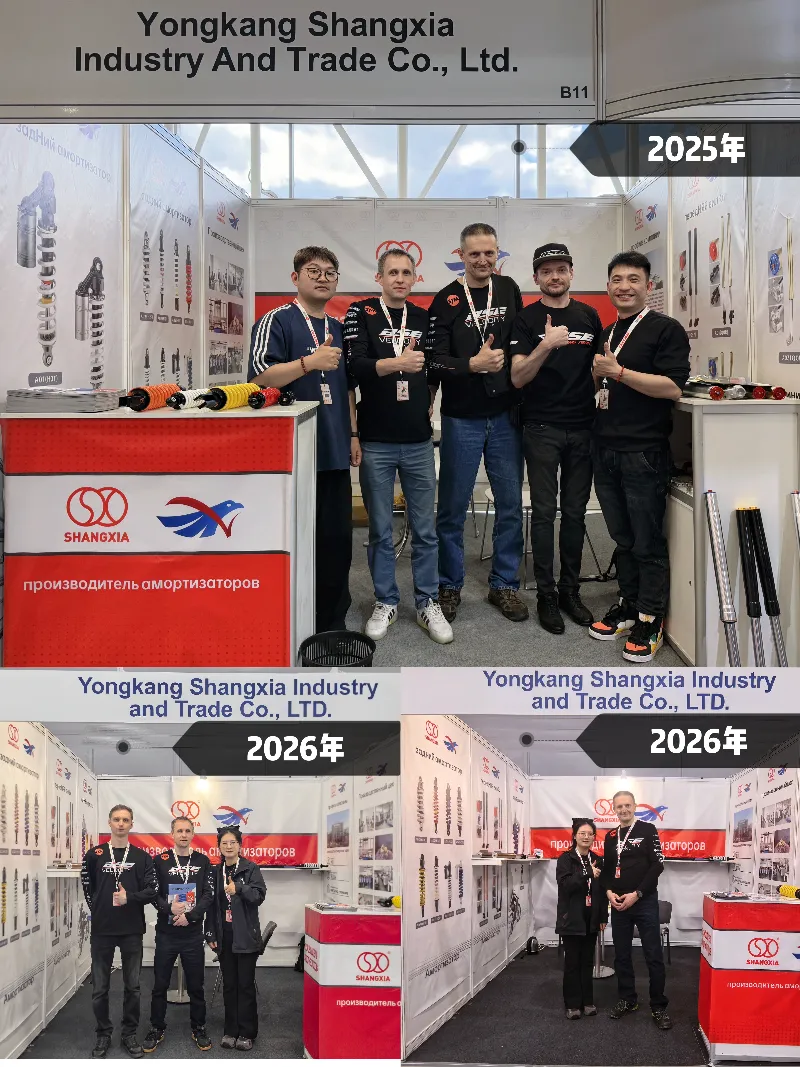
This article provides a comprehensive analysis of the E-Bike Single Adjustable Inverted Front Fork, including its structure, working principles, advantages, limitations, and real-world applications. Drawing on industry practices and manufacturing experience from Yongkang Shangxia Industry And Trade Co., Ltd., the guide helps distributors, OEM buyers, and advanced riders understand whether this suspension solution fits their performance goals.
This guide is designed for e-bike brands, wholesalers, and performance-focused riders who want a clear, professional understanding of inverted front fork technology. It combines mechanical theory, market insights, and manufacturing experience from Yongkang Shangxia Industry And Trade Co., Ltd. to present balanced, decision-oriented information.
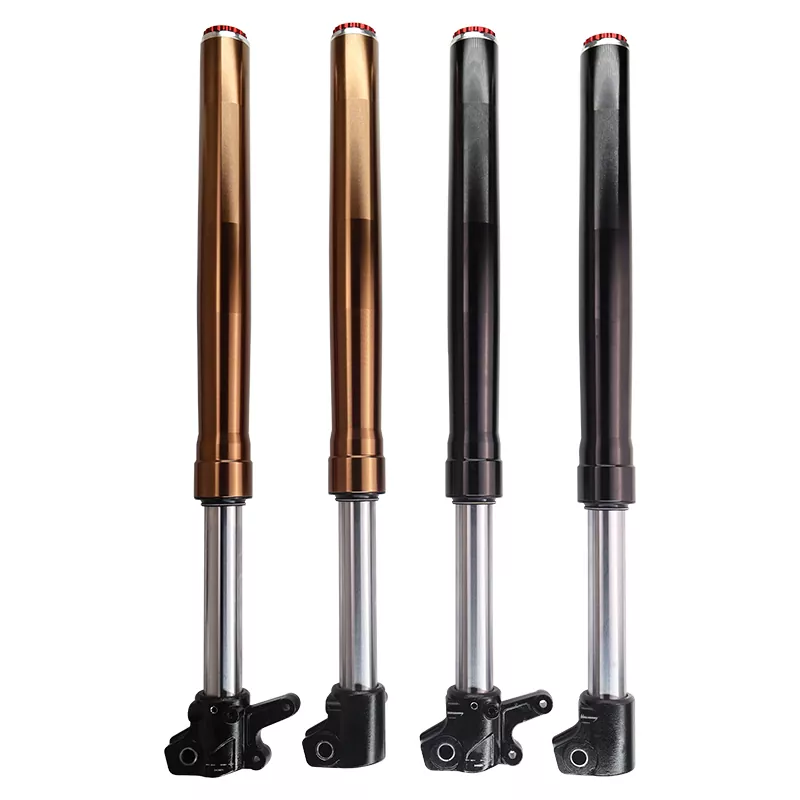
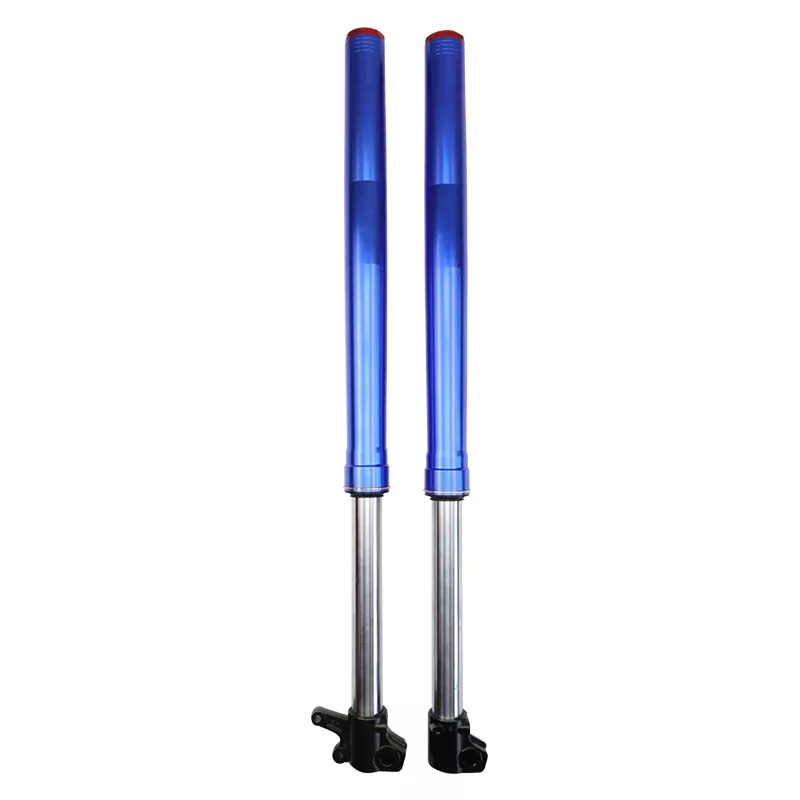
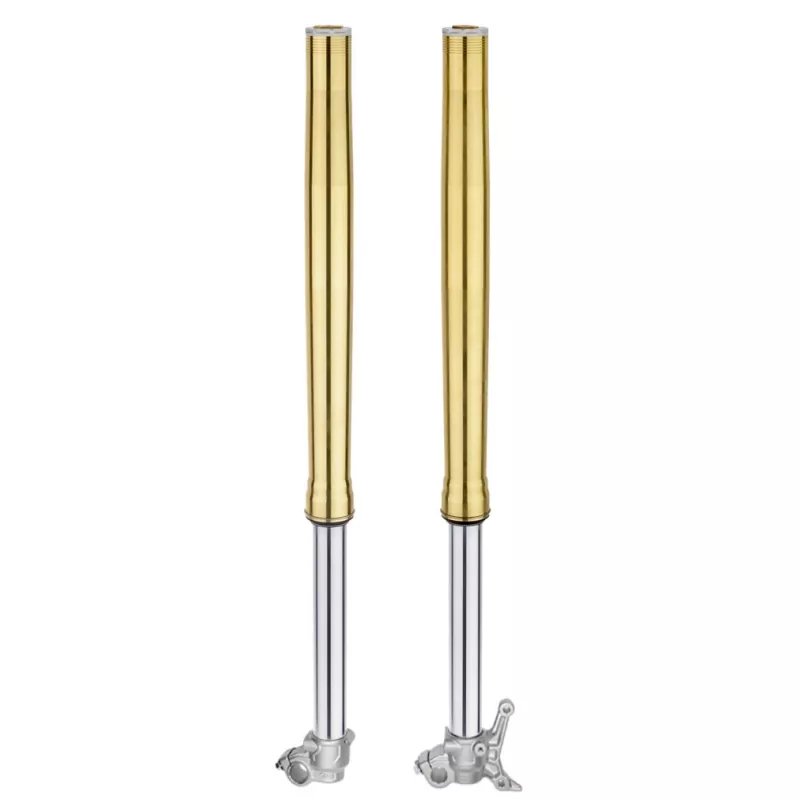
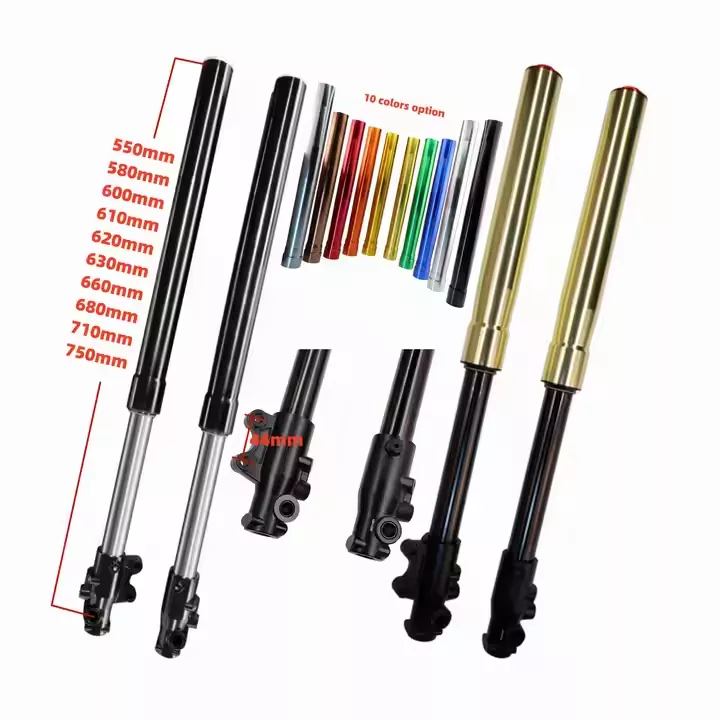
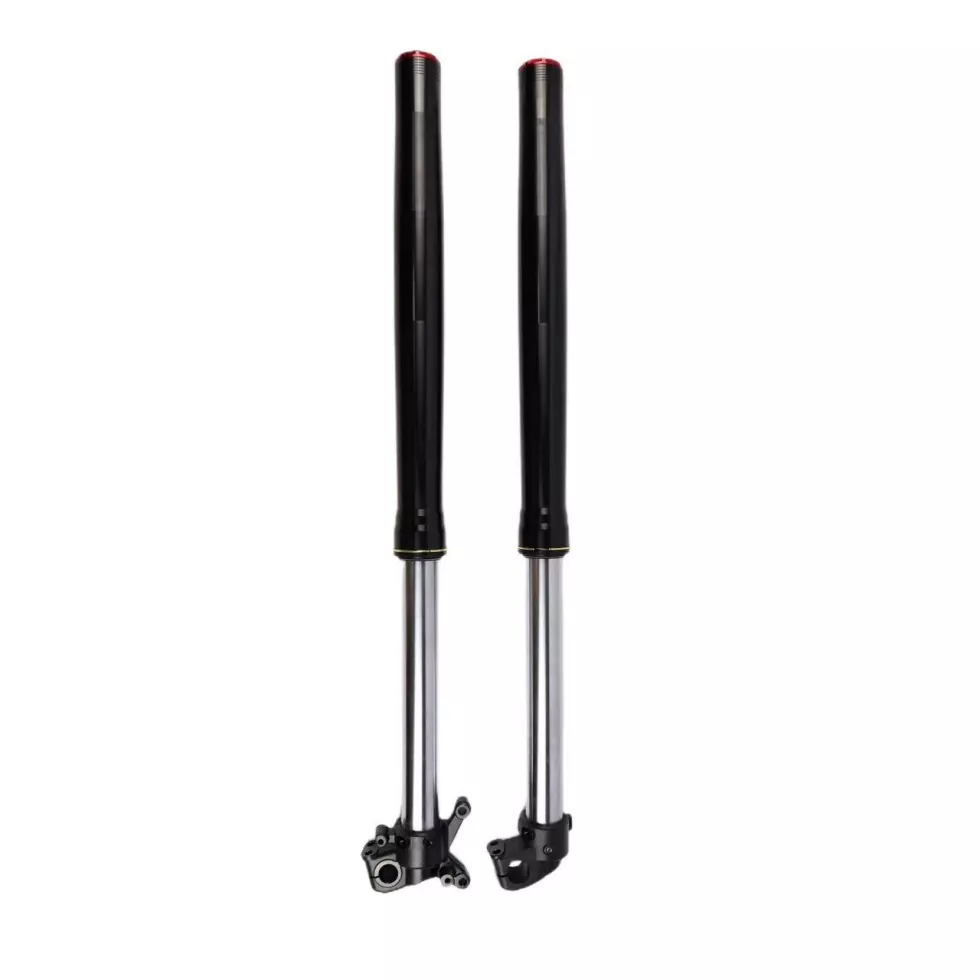
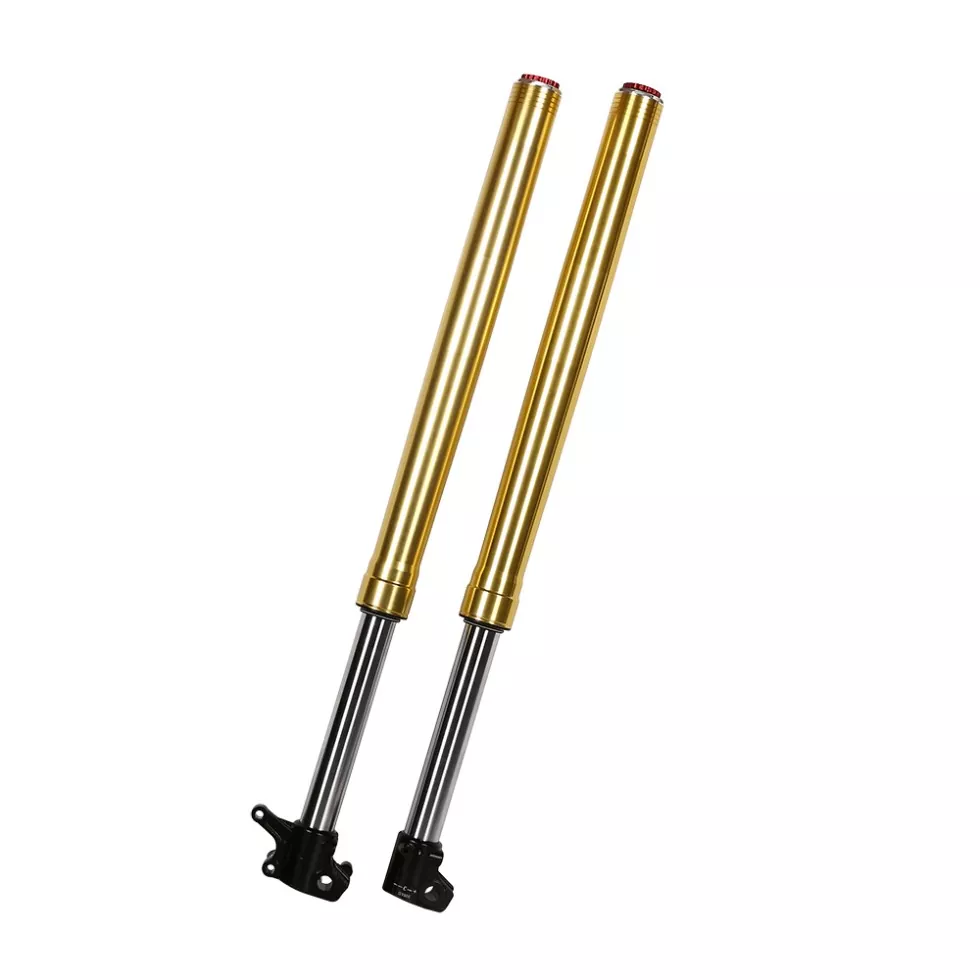
An E-Bike Single Adjustable Inverted Front Fork is a suspension system where the larger-diameter fork tubes are mounted at the top (inverted orientation), while a single external adjustment mechanism—typically rebound or preload—is provided to fine-tune riding performance.
Unlike dual-adjustable or fully active suspension systems, the single adjustable design focuses on simplicity, reliability, and cost efficiency while still offering meaningful customization for different terrains and rider weights.
The inverted (upside-down) fork configuration reverses the traditional layout. This design improves torsional stiffness and reduces unsprung weight, which is particularly important for heavier electric bicycles.
Manufacturers such as Yongkang Shangxia Industry And Trade Co., Ltd. optimize internal damping systems to balance durability and responsiveness, ensuring consistent performance under motor-assisted torque.
| Advantage | Practical Benefit |
|---|---|
| Improved Structural Rigidity | More stable handling at high speed and during braking |
| Reduced Unsprung Weight | Better terrain feedback and smoother ride |
| Single Adjustment Control | Easy setup for non-technical riders |
| Lower Maintenance Complexity | Fewer failure points compared to multi-adjust systems |
For OEM projects targeting mid-to-high-end e-bike segments, this fork type offers a strong balance between performance and cost, a factor often emphasized by Yongkang Shangxia Industry And Trade Co., Ltd. in product development.
While these drawbacks exist, they are often acceptable trade-offs for riders prioritizing reliability and ease of use over extreme customization.
The E-Bike Single Adjustable Inverted Front Fork is widely used in the following categories:
Yongkang Shangxia Industry And Trade Co., Ltd. supplies such fork systems to global markets where durability and adaptability are essential selling points.
| Feature | Inverted Single Adjustable Fork | Conventional Fork |
|---|---|---|
| Stiffness | High | Moderate |
| Weight Distribution | Optimized | Standard |
| Ease of Adjustment | Simple | Varies |
Proper setup ensures optimal performance and longevity:
Professional suppliers like Yongkang Shangxia Industry And Trade Co., Ltd. often provide setup guidance to OEM partners to reduce after-sales issues.
Q: Is an E-Bike Single Adjustable Inverted Front Fork suitable for beginners?
A: Yes, the single adjustment mechanism simplifies tuning while still delivering high-level performance, making it beginner-friendly.
Q: Does an inverted fork require more maintenance?
A: Not necessarily; with proper sealing and materials, maintenance intervals are comparable to conventional forks.
Q: Can this fork handle high-torque mid-drive motors?
A: Yes, the increased rigidity of inverted designs makes them ideal for high-torque electric systems.
Q: Is this fork compatible with all e-bike frames?
A: Compatibility depends on head tube standards and axle specifications, which should be confirmed before installation.
Q: Why do manufacturers prefer single adjustable systems?
A: They reduce production complexity, improve reliability, and meet the needs of most riders without over-engineering.
Online Service
Online Service