Whatsapp
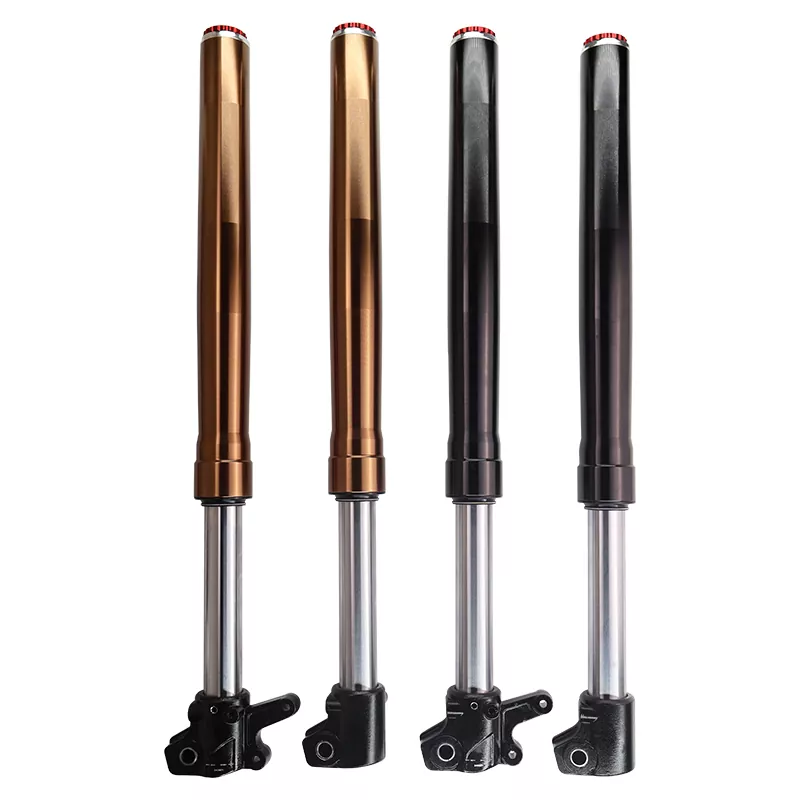
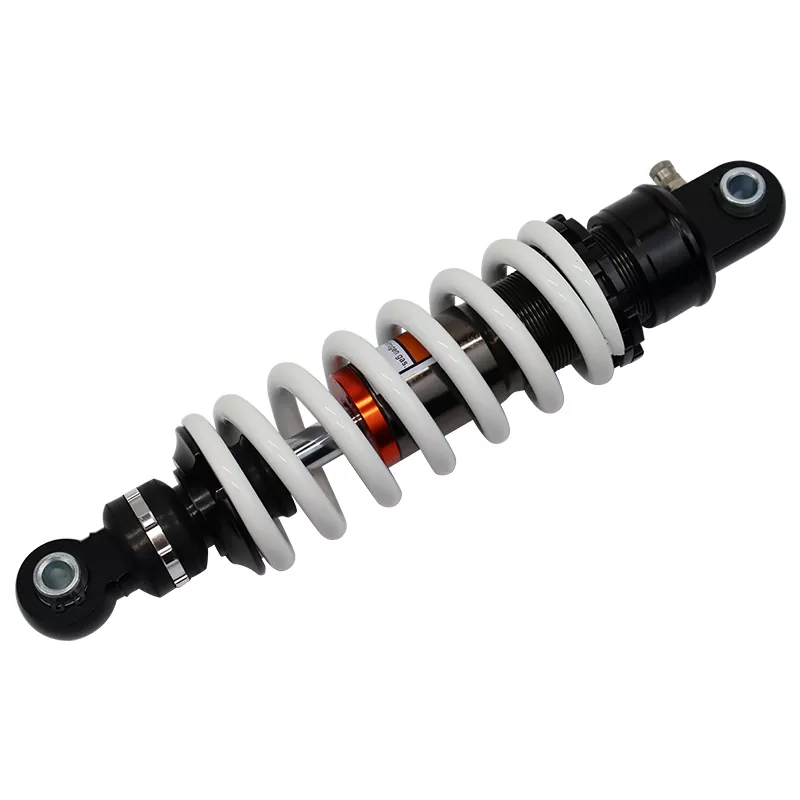
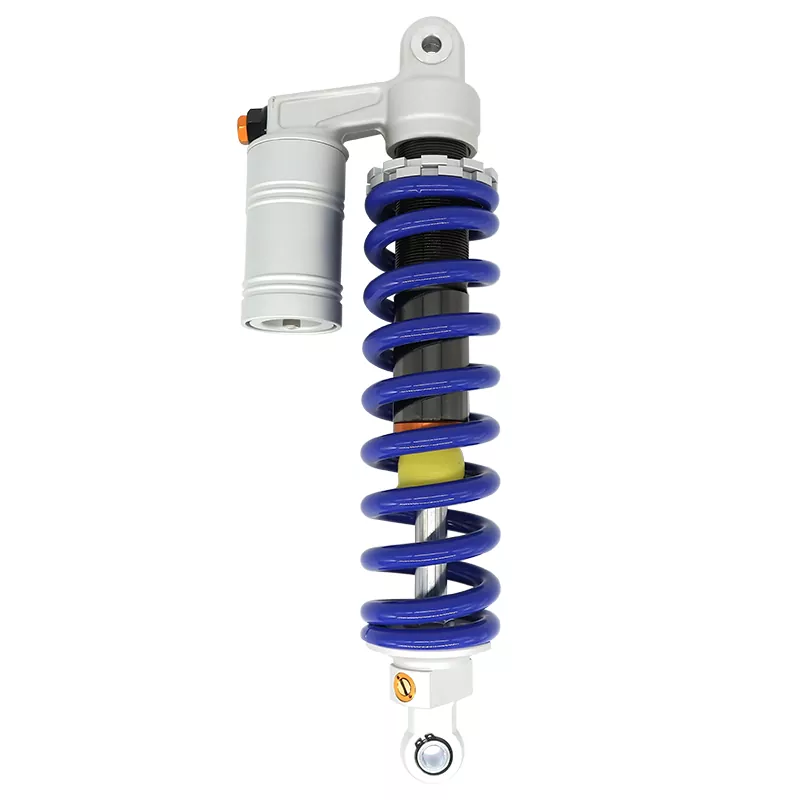
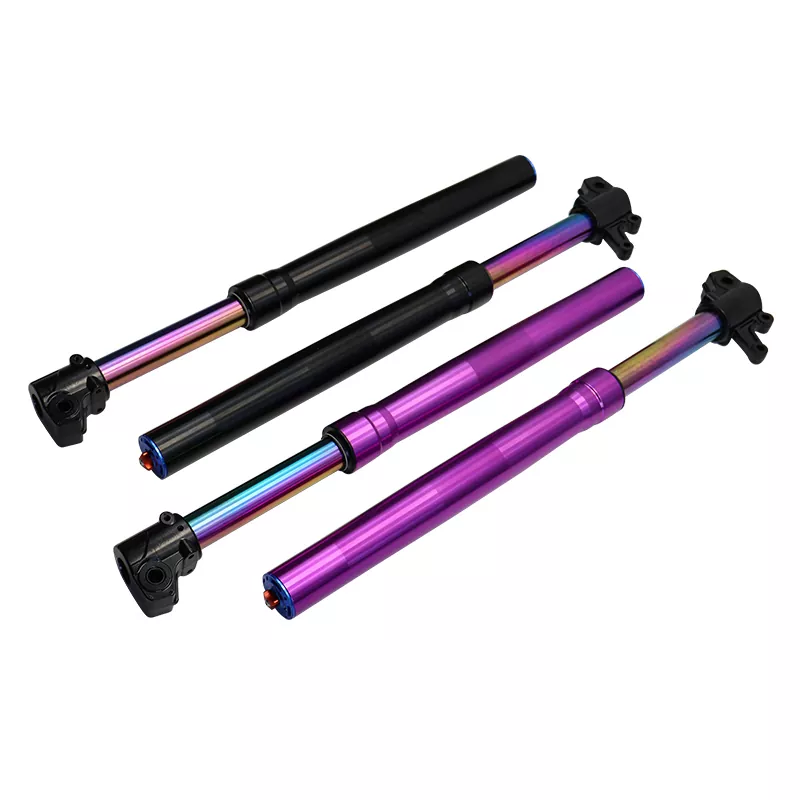
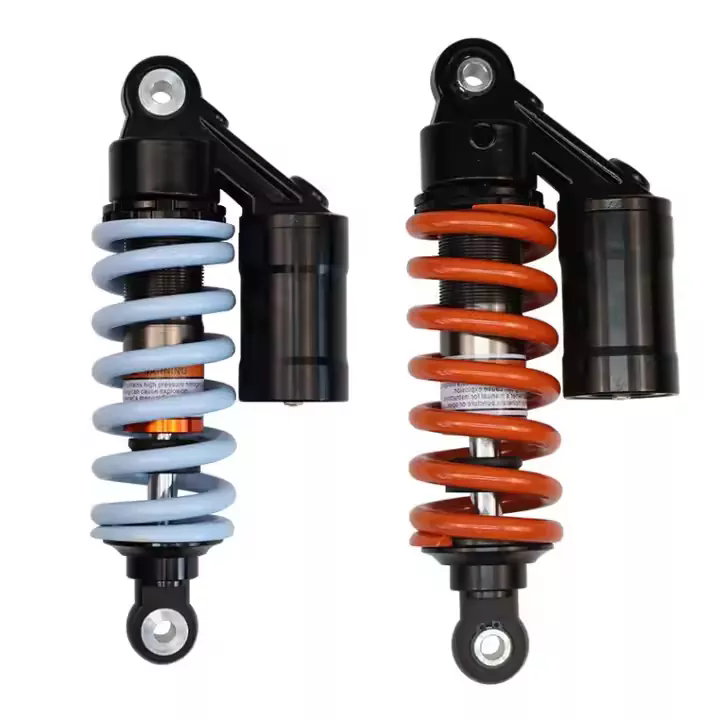
Shangxia Shock Absorber Single Adjustable Front Fork features optional inner or outer travel adjustment to upgrade vehicle suspension performance.When fine-tuning a vehicle’s suspension, one question often separates casual riders from performance-focused teams: is your Single Adjustable Fork using external or internal travel adjustment? For those supplying or specifying mid-to-high-end shock absorbersr—this distinction directly impacts ride quality, maintenance costs, and rider confidence.
Riders of motorcycles, off-road vehicles, and dune buggies face constantly changing terrain. One moment you're on a smooth highway; the next, you're bouncing through sand or rocky trails. A Adjustable Front Fork allows the suspension to adapt, but how you adjust travel length determines how quickly and precisely you can respond.
External adjustment means you turn a dial or screw on the fork leg without tools—ideal for racers who need quick changes between laps. Internal adjustment requires disassembling the fork, swapping shims or rods, which is more precise but time-consuming. Many factory teams prefer internal for competition setups, while weekend adventurers lean toward external for convenience.
| Feature | External Adjustment | Internal Adjustment |
| Speed of change | Seconds | Minutes to hours |
| Tools required | None or basic wrench | Specialized tools |
| Precision range | Good (steps/clicks) | Excellent (infinite) |
| Best for | Trail riding, touring, mixed-use | Racing, single-terrain focus |
| Risk of user error | Low | Moderate (misassembly) |
Both approaches have loyal followings. The right choice depends on your riding style and how often you switch between vastly different surfaces.
Imagine driving 60 km to a trailhead, only to realize your front fork is too stiff for soft sand. If your Single Adjustable Front Fork lacks external adjustment, you're heading home or riding uncomfortably. External allows a two-click fix.
Internal adjustment offers rock-solid settings—until you change riders or cargo. A heavier passenger or luggage rack shifts weight distribution. Without on-the-fly changes, steering geometry suffers, increasing fatigue and risk.
Some forks require partial disassembly just to check travel settings. That leads to worn seals, lost small parts, or incorrect reassembly. External designs reduce how often you crack open the fork, saving shop bills.
A thoughtful Adjustable Front Fork bridges the gap between simplicity and performance. For example, models from Yongkang's industrial cluster often feature hybrid systems: external preload adjustment (for sag and ride height) paired with internal rebound damping (for fine control). This gives quick surface adaptation without sacrificing precision.
What to look for in a quality unit:
- External preload adjuster – usually a threaded ring or hex nut atop the fork.
- External rebound clicker – a small screw or dial at the bottom.
- Internal compression shims – set at the factory but can be changed by a technician.
This combination means 80% of daily adjustments happen externally, while the remaining 20% (major terrain changes or racing) stays with internal tuning.
Dune buggy weekenders – Sand changes depth quickly. External adjustment allows softening the fork in 30 seconds, then stiffening for hard-packed return roads.
Motorcycle commuters – Loads vary (backpack, groceries, passenger). A Adjustable Front Fork with external preload keeps headlight aim correct and braking stable.
Off-road race teams – They use internal adjustment for event-specific setups, then external clickers for temperature compensation as the day heats up.
ATV rental operators – Different drivers, same machine. External rebound adjusters help match fork behavior to rider weight without tools.
Even within adjustable forks, build quality varies widely. After 15 years of component production, factories like Shangxia have learned that reliable adjustment requires:
- Precision-machined threads – so external adjusters don't bind or skip.
- Sealed adjuster ports – keeping dust and water out.
- Positive detents – clicks or notches that prevent vibration from changing settings.
- Clear markings – arrows or numbers you can read with gloves on.
A well-marked external adjuster tells you exactly how many clicks you've turned. Cheap forks often have vague "soft–hard" arrows that drift over time.
"External adjustment is less durable."
False—modern seals and o-rings make external adjusters last as long as internal components, provided they aren't smashed against rocks.
"Internal adjustment always gives better performance."
Not really. Internal allows deeper tuning, but most riders never need that range. For 90% of users, a quality external system delivers identical real-world comfort.
"You can add external adjustment to any fork."
Usually no. External requires special machining and valving. Choose a Single Adjustable Front Fork designed that way from the start.
Here's a simple field test any rider can do:
1. Park on level ground. Note your fork's current setting.
2. Ride a known 5-km loop with mixed surfaces.
3. Stop and change the external preload by 3 clicks firmer.
4. Ride the same loop again.
Does the difference feel meaningful? If yes, external adjustment is working for you. If no, either the adjuster range is too narrow or internal changes are needed.
For internal-only forks, you can't perform this test without tools. That's the biggest practical difference.
Suspension engineers are moving toward "set and forget" internal platforms with wide external range. Why? Because modern materials—like low-friction seals and consistent damping oil—reduce the need for frequent internal swaps.
A growing number of mid-to-high-end off-road vehicles now ship with Adjustable Front Fork units featuring external preload plus external rebound. This covers 95% of rider needs, leaving compression internal for factory tuning.
This trend aligns with what Yongkang Shangxia Industry and Trade Co., Ltd. has observed over their years of supplying components to brands like BSE, Apollo, Kayo, Taotao, and Tuttio. Riders want fewer tools in their backpack and more time on the trail.
When evaluating a Adjustable Front Fork, ask these three questions:
1. Can I change preload without removing the fork or wheel?
2. Are external adjusters protected but still finger-accessible?
3. Does the brand provide a clear chart of clicks-to-handling changes?
If the answer to any is no, you might be buying a fork designed for a mechanic, not a rider.
The debate between external and internal travel adjustment isn't about which is "better"—it's about matching the fork to how you actually ride. External adjustment shines for versatility and convenience; internal adjustment wins for dedicated, unchanging setups. A quality Single Adjustable Front Fork often blends both, giving you fast surface adaptation without losing depth of tuning.
For those who value reliability and thoughtful engineering, products from Shangxia Shock Absorber offer a proven balance—backed by over a decade of production experience and a clear focus on what riders truly need: control, simplicity, and consistency, mile after mile.
Online Service
Online Service